Growth Factor ELISA Kits
Growth factors are a class of secreted proteins or peptides that act as biologically active substances capable of promoting cell growth, proliferation, and differentiation. They are widely present in various tissues and organs of the human body and play important roles in physiological and pathological processes such as embryonic development, tissue repair, immune regulation, hematopoiesis, neural development, and tumor growth.
Classification and biological functions of growth factors
There are many kinds of growth factors, mainly including:
- Basic Fibroblast Growth Factors (bFGFs): for example, FGF-2 is involved in cell proliferation, angiogenesis and tissue repair.
- Epidermal Growth Factors (EGFs): for example, EGF and TGF-α play a key role in the proliferation, differentiation and repair of epithelial cells.
- Nerve Growth Factors (NGFs): for example, NGF and BDNF regulate the growth, survival and junction formation of neurons.
- Platelet-Derived Growth Factors (PDGFs): such as PDGF-A and PDGF-B, are involved in angiogenesis, cell proliferation and tissue repair.
- Interleukins (ILs): such as IL-1, have pro-inflammatory effects and play a role in the body's response to infection and inflammation.
- Tumor Necrosis Factors (TNFs): such as TNF-α, regulate immune regulation, inflammatory response, and apoptosis.
- Insulin-like Growth Factors (IGFs): for example, IGF-1 and IGF-2, and they are involved in cell growth, metabolism and differentiation.
- Vascular Endothelial Growth Factors (VEGFs): such as VEGF-A and VEGF-B, regulate angiogenesis and vascular permeability.
- Transforming Growth Factors (TGFs): such as TGF-β and BMPs, have regulatory effects on cell proliferation, differentiation and matrix synthesis.
Growth factor and diseases
- Tumors: EGFR and VEGF, among others, can promote tumor cell proliferation, angiogenesis, and metastasis, influencing the malignancy and prognosis of tumors.
- Cardiovascular disease: IGF and FGF can promote myocardial cell proliferation and angiogenesis, which are of significant importance in the treatment of cardiovascular diseases and myocardial regeneration.
- Nervous system diseases: NGF and Brain-Derived Neurotrophic Factor (BDNF), among other growth factors, hold promising potential for the treatment of neurological disorders such as Alzheimer's disease, Parkinson's disease, and more.
- Inflammatory diseases: TNF and interleukin (IL) are involved in the regulation of the inflammatory response. They play an important role in the activation of immune cells, the release of inflammatory mediators and the repair of tissue damage, and are related to inflammatory diseases such as rheumatoid arthritis and inflammatory bowel disease.
- Metabolic diseases: Insulin and IGF are key factors for regulating blood glucose and energy metabolism. They play an important role in the occurrence and progression of metabolic diseases such as diabetes and obesity.
Growth factor related ELISA kits
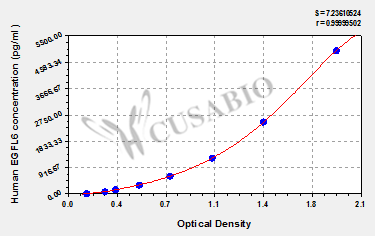
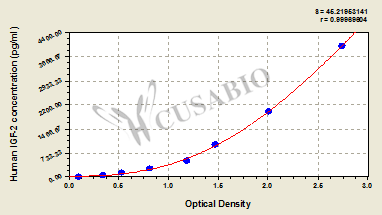
As a type of cytokine with important biological functions and pharmaceutical research value, growth factor ELISA kit products provided by CUSABIO covers almost all growth factor types, and all products have high sensitivity, high precision and high stability. Below are some display images of growth factor ELISA kits provided by CUSABIO.