
Call us
301-363-4651 (Available 9 a.m. to 5 p.m. CST from Monday to Friday)


Rheumatoid Arthritis (RA) is a chronic, progressive autoimmune disease that primarily affects peripheral joints. It is characterized by symmetric polyarthritis, which can lead to joint cartilage and bone destruction, joint deformities, and even involvement of multiple systemic organs such as the heart, lungs, and blood vessels. The pathogenesis of RA is complex, involving genetic factors (such as the HLA-DRB1 susceptibility gene), environmental factors (such as smoking and infections), and immune abnormalities. The activation of autoreactive T cells induces B cells to produce rheumatoid factor (RF) and anti-cyclic citrullinated peptide antibodies (anti-CCP). At the same time, synovial fibroblasts proliferate abnormally and secrete large amounts of pro-inflammatory cytokines (such as TNF-α, IL-6, IL-17) and matrix metalloproteinases (MMPs), ultimately leading to joint inflammation and bone erosion. The clinical manifestations include morning stiffness (lasting >30 minutes), symmetric joint swelling and pain (mainly in the small joints of the hands, wrists, and feet), rheumatoid nodules, and in the late stages, joint deformities (such as swan-neck deformity) and functional loss.
In recent years, RA drug development has focused on precisely targeting immune abnormality pathways, breaking through the limitations of traditional treatments (such as inadequate efficacy of methotrexate or resistance to biologics).
Additionally, epigenetic regulatory drugs (such as HDAC inhibitors) and B cell costimulation blockers (such as anti-CD40L) are still in the early stages of development, but they provide new directions for individualized RA treatment. Overall, RA drugs are evolving from "broad-spectrum anti-inflammatory" to "precision targeting." In the future, it may be possible to achieve more precise patient stratification and treatment selection through biomarkers (such as IL-23 levels, JAK phosphorylation status).

Measured by its binding ability in a functional ELISA. Immobilized human C5AR1 at 10 μg/ml can bind Anti-C5AR1 recombinant antibody (CSB-RA003996A0HU), the EC50 is 1.239-3.760 ng/mL.

Measured by its binding ability in a functional ELISA. Immobilized CD22 at 2 μg/ml can bind Anti-CD22 rabbit monoclonal antibody, the EC50 of human CD22 protein is 4.034-4.800 ng/ml.

Measured by its binding ability in a functional ELISA. Immobilized Human CD69 at 2μg/mL can bind Anti-CD69 recombinant antibody (CSB-RA004952MA1HU), the EC50 is 23.17-26.04 ng/mL.
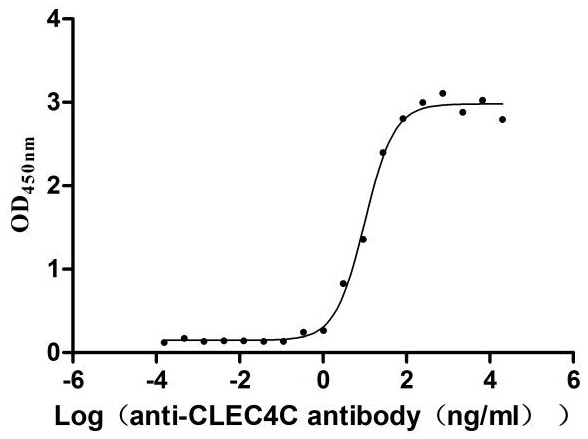
Measured by its binding ability in a functional ELISA. Immobilized Human CLEC4C at 2μg/mL can bind Anti-CLEC4C recombinant antibody(CSB-RA855470MA1HU),the EC50 is 7.658-12.99 ng/mL.
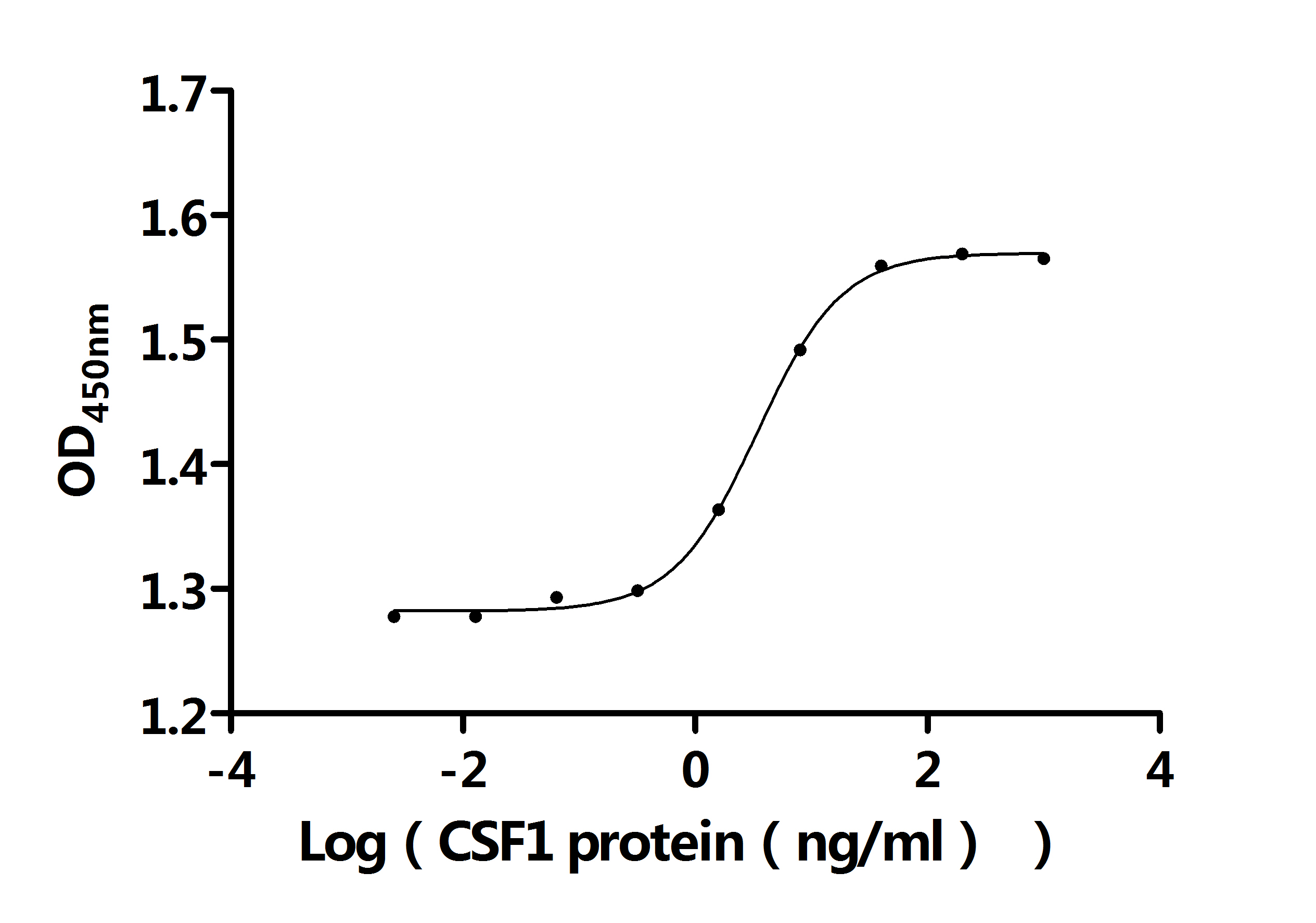
The ED50 as determined by the dose-dependent stimulation of the proliferation of THP-1 cells is 2.880-4.115 ng/mL.

The ED50 as determined by the dose-dependent stimulation of the proliferation of human TF-1 cells is 28.1-63.8 pg/mL.

Measured by its binding ability in a functional ELISA. Immobilized ICOSLG at 2 μg/ml can bind human ICOS (CSB-MP707478HU), the EC50 of human ICOSLG protein is 29.04-43.59 ng/ml.

Measured by its binding ability in a functional ELISA. Immobilized Human IFNA2 at 2 μg/ml can bind Human IFNAR2(CSB-MP011047HU). The EC50 is 154.2-191.9 ng/mL.

Tested Applications:
ELISA, WB, IHC, IP

Tested Applications:
ELISA, WB, IHC

Tested Applications:
ELISA, WB, IHC

Tested Applications:
ELISA, WB, IHC, FC

Tested Applications:
ELISA, WB, IHC

Tested Applications:
ELISA, WB, IF

Tested Applications:
ELISA, IHC, FC

Tested Applications:
ELISA, IHC, FC

Human Interleukin 8,IL-8 ELISA KIT
CSB-E04641h
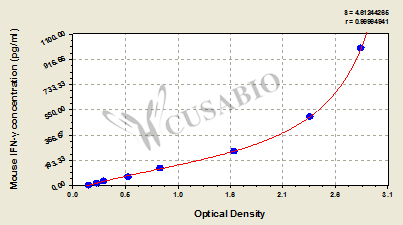
Mouse Interferon γ,IFN-γ ELISA Kit
CSB-E04578m
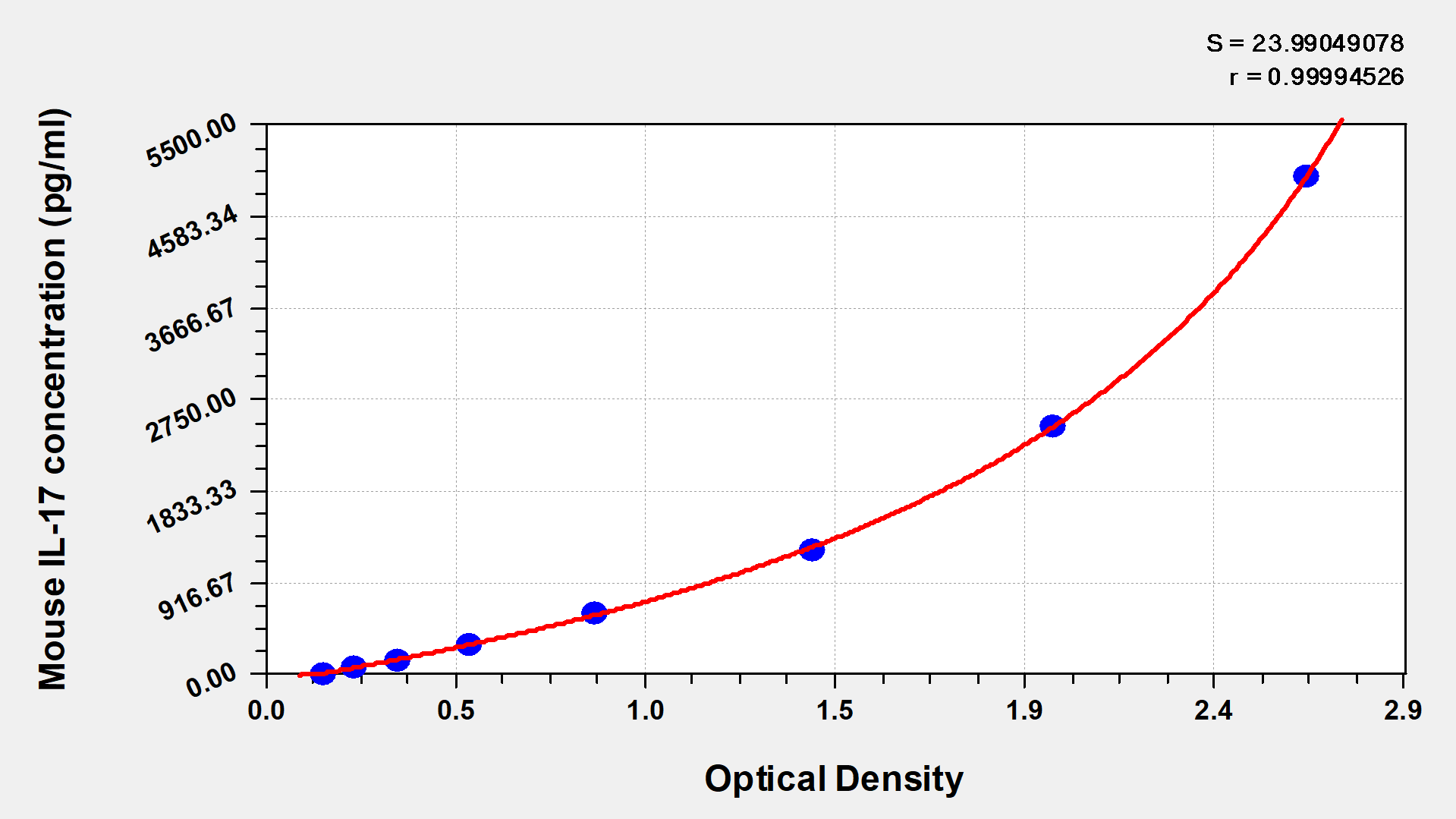
Mouse Interleukin 17,IL-17 ELISA Kit
CSB-E04608m

Human Interleukin 1β,IL-1β ELISA Kit
CSB-E08053h


